
Concussion Rehabilitation
When an Impact to the Head Happens: How Physiotherapy Can Help
Head injuries like concussions are often misunderstood and under-treated. At Plaza Physiotherapy, we believe that with early, targeted concussion rehabilitation, you can recover more fully, return to activity safely, and reduce the risk of lingering symptoms.
What is a Concussion?
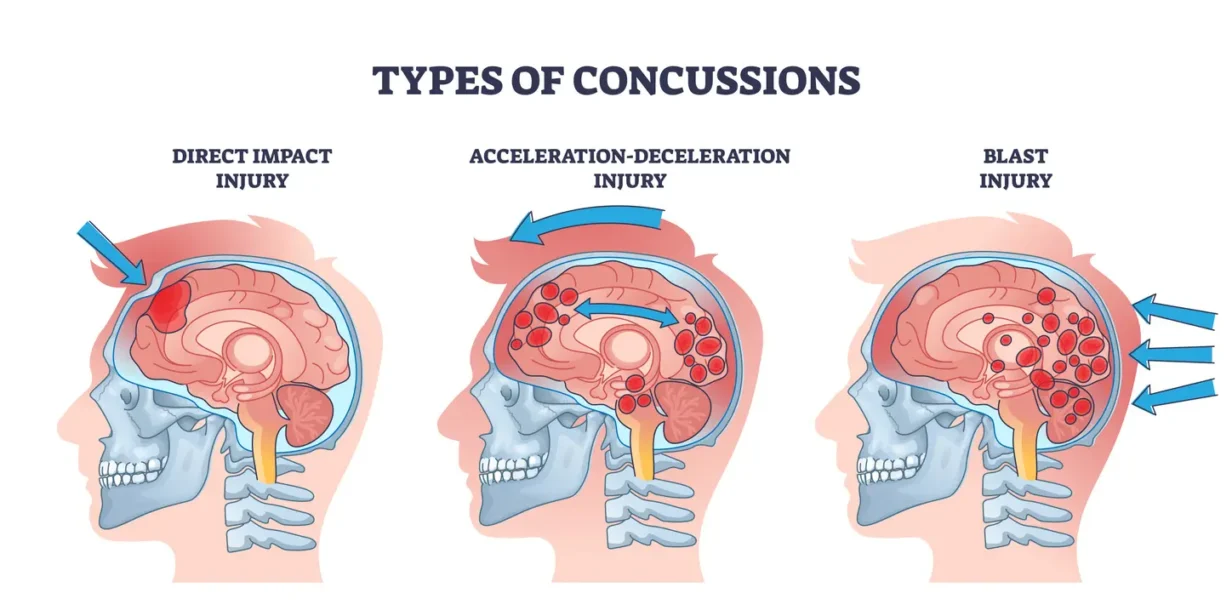
A concussion (also called a mild traumatic brain injury – mTBI) occurs when a blow or jolt to the head, face, neck or body causes the brain to move rapidly inside the skull. This can result in physical, cognitive, emotional and sleep-related symptoms.
While many people recover in a few days or a few weeks, some develop persistent symptoms—especially if underlying neck, vestibular (balance/inner-ear) or visual systems are involved.
Why Physiotherapy Matters
It’s not just about rest. Recent guidelines are clear: after a short period of relative rest (24-48 hours), gentle activity and rehabilitation help drive recovery.
At Plaza Physiotherapy, we address the full picture:
- Neck and cervical spine issues (often co-existing with concussion)
- Vestibular/ocular-motor disturbances (dizziness, balance, visual motion intolerance)
- Graded aerobic/functional exercise to rebuild tolerance without symptom flare-ups
- Education and pacing strategies to safely return to work, school or sport
What the Rehabilitation Journey Looks Like
- Initial Assessment: A physiotherapist evaluates your symptoms, history, neck/vestibular/ocular-motor function, and physical capacity.
- Gentle Return to Activity: After the initial rest period, we guide you to gradually and safely re-introduce movement and exercise—at a level that doesn’t significantly worsen your symptoms.
- Targeted Rehabilitation:
- Cervical spine / neck movement problems
- Balance, gaze stability and vestibular training
- Graded aerobic and strength exercise to rebuild tolerance and resilience
- Return-to-Life Planning: Whether returning to work, school, sport or everyday life, we help you plan the progression—ensuring your brain and body are ready for the demands.
- Monitoring & Support: If symptoms persist (weeks to months) we work with you and refer to specialists as needed (vestibular therapists, concussion clinics, neuro-rehabilitation).
Why Early and Guided Rehab Matters
- Reduces the risk of lingering symptoms and long-term issues.
- Addresses hidden impairments such as neck dysfunction or balance problems, which if left untreated can delay recovery.
- Helps you safely return to meaningful activity rather than waiting until “perfect” before you move again.
- Empowers you with tools and strategies to monitor and manage symptoms, preventing setbacks.
What You Can Do Today
- If you suspect a concussion, stop physical and cognitive activity that worsens symptoms and seek assessment.
- After 24-48 hours of relative rest, consider gentle movement: short walks, light stretching—avoid “all or nothing”.
- Be aware of neck or vestibular symptoms (dizziness with head movement, visual motion sensitivity, unsteadiness)—these often benefit from physiotherapy.
- Make sure you have a structured rehab plan, not just “wait it out”.
- At Plaza Physiotherapy, call us for a concussion-friendly assessment and tailored plan.
Conclusion
A concussion isn’t something you simply wait out. With the right assessment, guided physiotherapy and a plan tailored to your brain and body’s needs, you can move toward recovery confidently and return to the activities that matter to you. At Plaza Physiotherapy, we’re ready to guide you step-by-step.
Book your concussion rehabilitation assessment today.