Our team of wellness professionals are passionate about providing tailored in-house care to help with your mobility, flexibility, comfort and all-around quality of life. Your goals are our number one priority which is why we are dedicated to listening to your concerns and creating treatment plans that will work for you!
At Plaza Physiotherapy Burnaby, we understand that every patient’s journey to recovery is different. Our approach emphasizes personalized care, because no two bodies and no two conditions are exactly the same. Whether you’re dealing with a sports injury, chronic pain, postural imbalances, or post-surgical rehabilitation, our skilled team is here to help you restore function and reduce discomfort. We believe that by addressing the root causes of your pain or limitations, rather than just masking symptoms, we can help you achieve lasting results.
WELCOME TO PLAZA PHYSIOTHERAPY BURNABY!
NEW PATIENTS WELCOME
NO REFERRAL NECESSARY
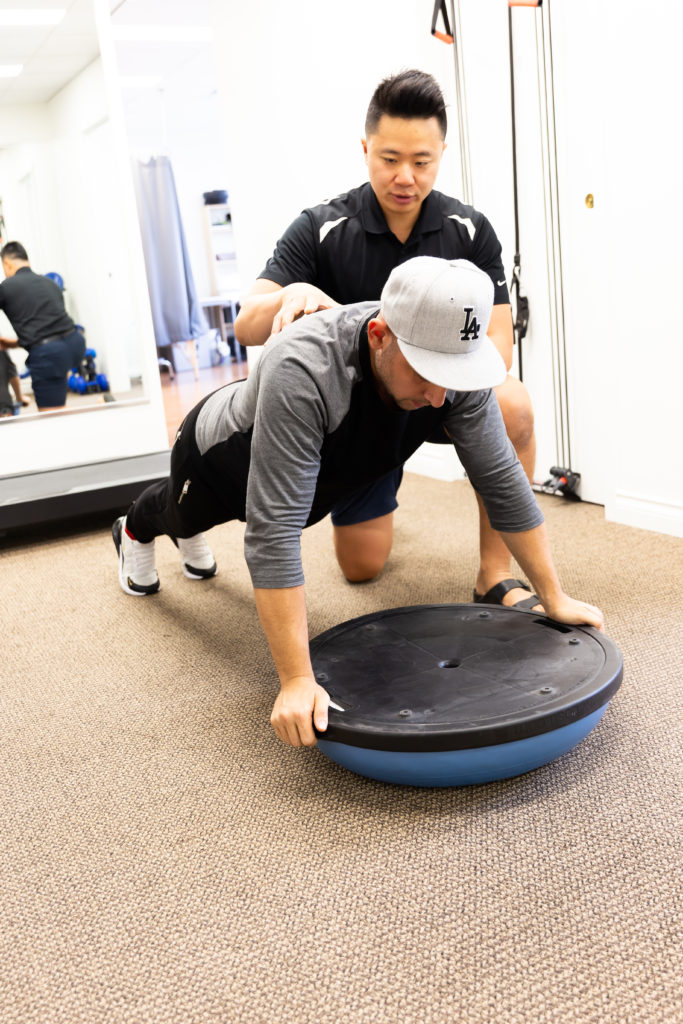
building relationships with 1-on-1 personalized treatment sessions
Located in Metro Burnaby, Plaza Physiotherapy Clinic Burnaby has been serving the greater Vancouver area since 1987. In addition to our Physiotherapy services, we also provide Registered Massage Therapy, Acupuncture, and Naturopathic Medicine. Our areas of expertise reside in Physiotherapy (ICBC physiotherapy Burnaby), Manual Therapy, Pelvic Malalignment Corrections, Pelvic Floor physiotherapy Burnaby, Massage Burnaby, Acupuncture/IMS, Core Training, Active Conditioning, Naturopathic Medicine, and other special health and well-being services.
We believe in building relationships with each of our clients and taking the time to create personalized treatment plans through 1-on-1 sessions.
By offering a multidisciplinary approach, our clinic ensures patients have access to a wide range of healing modalities. This collaborative care model allows our practitioners to consult with one another, creating integrative treatment strategies that optimize your recovery. Whether you are coming in for physiotherapy, acupuncture, or IMS treatments, our commitment to personalized care remains consistent.

IMS BURNABY
IMS Burnaby offers numerous benefits for both acute and chronic musculoskeletal conditions. It provides immediate pain relief, allowing patients to return to normal activities more quickly. IMS is also effective in addressing the underlying causes of pain, such as muscle imbalances and scar tissue formation. If you are experiencing pain or limited range of motion due to trigger points, IMS may be the right solution for you. Our Physiotherapists will conduct a thorough assessment to identify the root cause of your pain and develop a comprehensive treatment plan. This may include a combination of IMS, exercise therapy, and other therapeutic modalities.
Unlike traditional acupuncture, IMS Burnaby uses dry needling techniques specifically targeted at tight or shortened muscles that are contributing to chronic pain syndromes. The technique involves inserting fine, sterile needles directly into the affected muscles, releasing tension, improving blood circulation, and helping to restore normal function. IMS is particularly effective for conditions that have not responded to conventional treatments, such as chronic low back pain, neck stiffness, and repetitive strain injuries.
How Does IMS Burnaby Function?
IMS Burnaby is believed to work by communicating with the nervous system and stimulating the body’s natural discomfort relief process. As soon as a filament is inserted into an uncomfortable connective tissue or muscle, it’s believed that the body releases a natural chemical called serotonin.
Serotonin is an organically occurring compound in the body that’s involved in controlling sleep, mood and digestion, among other bodily functions. When serotonin is dispensed by the body, it journeys through the bloodstream and binds to receptors all through the body, including the central nervous system.
When these receptors are stimulated, the body experiences a decrease in pain and anxiety, as well as an increase in sensations of peace and relaxation. Research studies have shown that dry needling can activate the release of endorphins, which are another kind of neurotransmitter that can help minimize pain and enhance mood.
Additionally, IMS Burnaby treatments can help reset dysfunctional muscle patterns. Over time, muscles that remain in a state of tension can create persistent trigger points and pain referral patterns. By stimulating these points with dry needling, we can help retrain the nervous system to reduce hyperactivity in the muscles, allowing the body to return to a more balanced and pain-free state.
Who Might Benefit From IMS/Dry Needling?
IMS Burnaby can be used to handle a wide array of musculoskeletal conditions, including pain in the lower back, neck pain, knee pain, shoulder pain and chronic discomfort connected with repeated stress injuries, such as computer-related injuries or carpal tunnel syndrome.
IMS has also been employed to deal with fibromyalgia, a condition defined by persistent muscle discomfort and fatigue. IMS is frequently used in conjunction with other treatments, like physiotherapy and medication, to manage fibromyalgia.
Even clients that aren’t recuperating from a particular injury or surgery can enjoy the advantages of dry needling.
We also see patients who benefit from IMS in the management of jaw-related conditions. For those dealing with temporomandibular joint dysfunction, our TMJ Specialist in Burnaby may incorporate IMS into the treatment plan to release tight muscles surrounding the jaw, neck, and upper back. This integrative approach can significantly improve mobility and reduce TMJ-related headaches, facial pain, and jaw locking.

Is IMS Safe?
IMS Burnaby is normally regarded as a safe treatment when carried out by an experienced professional. It is often integrated with other therapies like massage or active stretching to enhance the impact of the needling.
There are some uncommon complications connected with dry needling, consisting of bleeding, bruising, skin inflammation or infections.
IMS can also cause a slight negative response in some patients, particularly those who are allergic to the adhesive applied to hold the filament in place. It is essential to note that dry needling is different than acupuncture, which is often used to alleviate discomfort and is frequently thought of as a complementary medicine.
While IMS/dry needling is used to address discomfort, acupuncture is employed to deal with a number of ailments, including persistent discomfort and stress and anxiety.
At Plaza Physio, patient education is a core part of our process. Before any IMS session, we ensure you understand how the treatment works, what to expect, and how it will integrate with your other therapies. We want you to feel empowered and confident in your care.
How to Identify a Practice Offering IMS/Dry Needling
If you’re suffering from long term pain or severe injury pain, speak to your doctor about whether dry needling sessions could be an alternative for you. Lots of pain management centres and physiotherapy practices supply dry needling as a treatment for long term pain, especially knee and back pain.
If you’re interested in dry needling, ask your local physiotherapist about what methods are used. Make sure the physiotherapist is certified and uses sterile filaments that are thrown away following one use. It’s essential to note that you should steer clear of IMS/dry needling if you suffer from a blood clot disorder, if you’re pregnant, or if you have a heart pacemaker.
Benefits of IMS
1. Pain Management
One of the main benefits of IMS is its effectiveness in managing pain. By targeting specific trigger points in the body, IMS helps to release tension and alleviate pain associated with various conditions, such as muscle strains, tendinitis, and chronic pain.
2. Improved Mobility and Range of Motion
IMS therapy has been widely recognized for its ability to improve mobility and restore range of motion.
3. Sports Injury Recovery
IMS has been found to be particularly beneficial for athletes and sports enthusiasts who are recovering from injuries. By targeting trigger points, IMS helps reduce inflammation, promote blood flow, and accelerate the healing process.
4. Stress Reduction and Relaxation
IMS therapy has a tranquilizing effect, reducing stress levels and promoting relaxation. The insertion of fine needles into specific points on the body stimulates the release of endorphins and other neurotransmitters, which have calming effects.
5. Improved Sleep Quality
IMS therapy has been shown to improve sleep quality by promoting relaxation and reducing stress levels. By targeting specific trigger points, IMS helps to relax the body and the mind, making it easier to fall asleep and stay asleep throughout the night.
Our team of Physiotherapists have undergone extensive training and certification in IMS. They are well-versed in identifying trigger points and administering appropriate treatments. With their expertise, our Physiotherapists are able to provide personalized and targeted care, ensuring optimal outcomes for each individual patient.

TMJ SPECIALIST BURNABY
The Temporomandibular Joint (TMJ) is a synovial joint that connects the lower jaw (mandible) to the temporal bone, which is located in front of the ears on both sides. It is responsible for enabling the opening and closing of the jaw, enabling us to perform various functions such as speaking, eating, chewing, and yawning. Acupuncture TMJ Physiotherapy sessions aim to alleviate these symptoms by targeting specific acupuncture points throughout the body.
The TMJ is complex, consisting of various parts that work together to facilitate jaw movement. These include the mandible, the temporal bone, the meniscus, the articular disc, the articular tubercle, the glenoid fossa, and the distal ligaments. These components work together to stabilize the joint, allow for smooth movement, and ensure proper jaw alignment.
Understanding the main causes of TMJ
TMJ Specialist Burnaby is a multifactorial condition with various contributing factors. One common cause is teeth grinding (bruxism), particularly during sleep, which places excessive pressure on the temporomandibular joint. Jaw clenching, often a subconscious response to stress, can also lead to TMJ by exerting sustained pressure on the jaw muscles, resulting in pain and limited movement.
BENEFITS OF ACUPUNCTURE FOR TMJ
1.Pain Relief
Acupuncture can effectively reduce TMJ pain, providing immediate and long-lasting pain relief.
2.Increased Mobility
By targeting the muscles, ligaments, and tendons involved in the TMJ, acupuncture can help increase joint mobility and reduce stiffness.
3.Stress Management
TMJ disorders are often exacerbated by stress, and acupuncture can help manage stress levels and promote relaxation, which can improve overall TMJ symptoms.
4.Long-term Relief
Unlike pain medication, acupuncture offers long-term relief and can help prevent the recurrence of TMJ symptoms.
A targeted form of acupuncture, Nikhita Jain’s treatment for TMJ focuses mainly on acupuncture points across the jaw, neck, head, and face to address the root cause of the pain, discomfort, hindered mobility, and jaw misalignment associated with this condition.
Her TMJ acupuncture sessions aim to alleviate these symptoms by targeting specific acupuncture points throughout the body. By stimulating these points, we aim to increase blood flow and energy flow to the jaw area, promoting healing and pain relief.
Our TMJ specialist Burnaby in addition to improving circulation, acupuncture can also help reduce stress in the body. By targeting acupuncture points that are known for their stress-relieving effects, we can promote relaxation and reduce tension in the neck, head, and face, which can contribute to TMJ symptoms.
In some cases, IMS may also be incorporated into TMJ treatment plans to further release muscular tension in the neck, jaw, and facial muscles. This can complement acupuncture and manual therapy techniques, offering a multi-pronged approach to pain management and recovery. Our team collaborates closely to ensure the most effective treatment plan for each patient, especially those struggling with complex TMJ issues.
The role of arthritis and trauma in TMJ
Both osteoarthritis and rheumatoid arthritis can contribute to TMJ pain through focal inflammation and damage to the joint structures. This often leads to stiffness and reduced jaw mobility. Additionally, trauma or injury to the head or jaw, such as whiplash or sports-related impacts, can significantly alter TMJ function.
Post-surgical TMJ pain
TMJ discomfort is not uncommon following certain medical procedures. For instance, breast cancer surgeries and prolonged surgeries can place undue pressure on the TMJ, leading to pain and dysfunction.
Stress, posture, and malocclusion: Additional TMJ triggers
High stress levels can increase muscle tension, leading to prolonged clenching and bruxism, exacerbating TMJ symptoms. While the role of posture in TMJ is debated, research suggests that cervical and thoracic spinal alignment can impact TMJ function. Malocclusion, or misalignment of teeth, also places stress on the TMJ and should be addressed by dental professionals.
Overuse and daily habits affect TMJ
Common issues like excessive gum chewing or favoring one side of the mouth for chewing can strain the TMJ. Similarly, habits like eating hard foods or nail biting create constant jaw movement and impact, contributing to TMJ discomfort.
The cumulative effect of these factors on TMJ
Over time, these various factors can lead to pain sensitization in the TMJ. With increased sensitivity, even minor stressors can trigger amplified pain responses, making effective treatment crucial.
What activities should be avoided with TMJ?
Lifestyle changes are crucial for patients with TMJ, especially those with high sensitivity. It’s important to stop habits like nail biting, biting pens, chewing gum (opt for mints instead), and using teeth as a tool (like opening packages). Other recommendations include cutting up hard foods into smaller pieces, avoiding prolonged poor postures, and refraining from wide jaw movements. Additionally, patients should resist the urge to poke at the sore TMJ area, as this typically exacerbates pain.
Understanding the healing process of TMJ
The duration of TMJ healing is highly individual and depends on several factors. Key predictors of recovery include age, the duration and nature of jaw pain (acute, chronic, post-surgical vs trauma-based), adherence to the plan of care, collaboration with dental professionals (like using a night guard if necessary), and making lifestyle changes.
Other contributing factors include stress management, as chronic stress can exacerbate jaw tension, prolonging recovery. Additionally, consistent follow-up appointments with a TMJ Specialist in Burnaby will ensure progress is monitored and adjustments to treatment are made when needed. It’s important to remember healing is often gradual, and combining multiple modalities, such as physiotherapy, acupuncture, and manual therapy, can help accelerate the process.
Tips for sleeping with TMJ
While there is no universal “best” sleeping position for TMJ, finding a comfortable position is important. Focus on making other lifestyle changes before attempting to modify your sleeping habits, as this can be more challenging. Using a night guard, particularly for those with teeth-grinding issues, can be beneficial. This should be discussed with both your physiotherapist and dentist for a coordinated approach to your TMJ care.
Come by and visit your South Burnaby physiotherapy clinic so we can help integrate wellness back into your life!
PHYSIOTHERAPY Burnaby
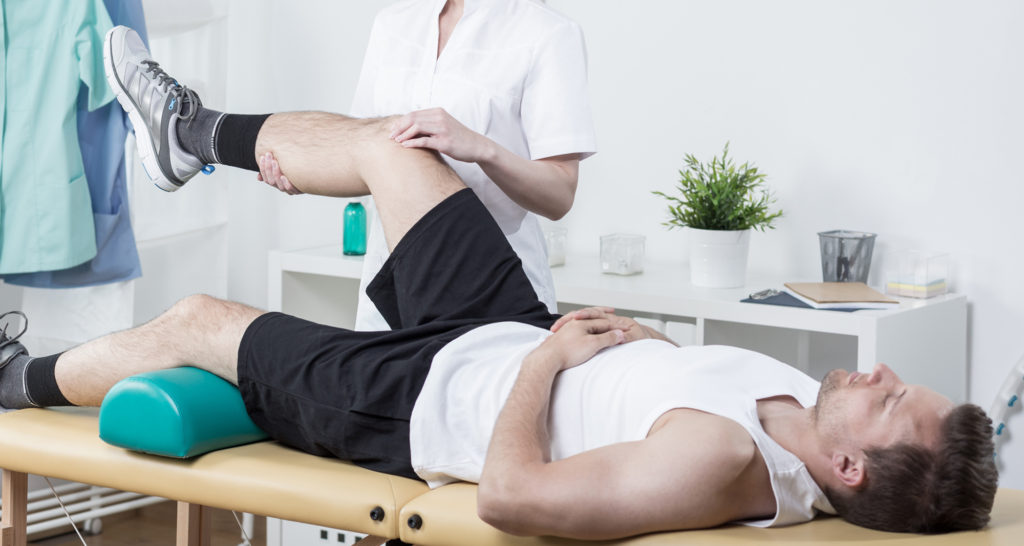
Physiotherapy Burnaby helps people identify and maximize their ability to move and function through the use of manual therapy. Manual therapy includes a range of practical methods and hands-on techniques geared towards decreasing pain and improving joint and soft tissue mobility.
NATUROPATHIC MEDICINE BURNABY
Muscle Energy Techniques are a system of treatments that are self-administered. This method allows the Naturopathic Doctor to teach his patients to understand their musculoskeletal system and be able to self-treat their malalignments. Together with MET and his other protocols, Dr. He is able to reverse the pain and discomfort associated with chronic conditions.
ACUPUNCTURE Burnaby
Our goal is to provide a comprehensive treatment protocol for patients that utilizes a unique combination of acupuncture and deep tissue massage. Through this treatment, patients experience lasting relief from their complaints and are able to live more comfortable lives.
REGISTERED MASSAGE THERAPY BURNABY
Massage therapy Burnaby is about so much more than just relaxation – it plays a vital role in managing pain and improving overall health. It can be beneficial in treating numerous conditions, especially when combined with other manual therapies, including acupuncture and naturopathic treatments.
Let’s Get social
Staying connected to our clients is of the utmost importance to us at Plaza Physiotherapy Burnaby!
You can find us on Facebook, Google, and below you will see a selection from our Instagram feed below. Follow us on social media to stay up to date on the services we offer and the results we are achieving!
Contact us
If you have a question or concern, we’d love to hear from you. Please feel free to use the contact form below to reach out or find out other ways to reach us by clicking the button below!