


TMJ Acupuncture Physiotherapy

Acupuncture for TMJ

woman holding Jaw

Acupuncture of the TMJ (temporomandibular joint) by our resident Physiotherapist Nikhita Jain alleviates jaw tightness, tension, clicking and locking. Acupuncture helps with preventative treatment for TMJ-related disorders including tinnitus, damaged joints, inflammation, and chronic headaches. This treatment is a targeted form of acupuncture, and addresses root causes of pain, discomfort, hindered mobility, and jaw misalignment. The jaw area can experience immediate relief from acute pain, chronic conditions and can begin improving immediately.


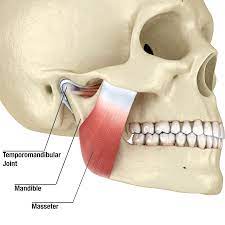
Here at Plaza Physiotherapy Clinic, Nikhita Jain (Physiotherapist) successfully uses acupuncture to treat TMJ disorder. Acupuncture can help with muscle relaxation and reduce muscle spasms of the TMJ. This is a group of masticatory muscles that assist with chewing and grinding food. Acupuncture needles are inserted around the ear, face, and jaw. These TMJ trigger points can cause facial pain, headaches, and restrict range of motion in the jaw. To find out more about how this treatment works click here.

What can it help with:

  1. Relieve pain and discomfort: By relaxing muscles and releasing endorphins (natural pain-killing chemicals) and serotonin. In one study, 85% of dental patients who received acupuncture for TMJ had their pain intensity reduced by 75%.


  2. Downregulate inflammation by increasing the production of cortisol which helps control inflammation in the body
  3. Reduce stress and promote relaxation: Acupuncture is a traditional therapy that involves inserting needles into specific points on the body to relieve tension and pain. One reason why acupuncture can be beneficial for stress is its ability to relax the muscles in the face. Stress can cause these muscles to contract, leading to tension and discomfort. This relaxation of the jaw and face muscles has a direct impact on the body’s response to stress. Tensed muscles can interfere with the proper production and release of stress-related hormones. Cortisol, noradrenaline, and serotonin are some of the hormones that play a crucial role in managing stress levels.
TMJ jaw pain

Acupuncture helps to regulate the production of these hormones by stimulating the release of endorphins, which are natural painkillers. By reducing muscle tension and promoting relaxation, acupuncture can help the body respond better to stress. The use of acupuncture promotes the relaxation of the body and promotes the regulation of hormones. The insertion of needles into points on the body stimulates the nervous system and promotes a sense of calm. Insomnia, headaches, and anxiety can be alleviated by this relaxation response.

WHAT ABOUT ACUTE PAIN?

For individuals with acute pain, our TMJ sessions can provide immediate relief. By stimulating acupuncture points that target the affected areas, we can help reduce swelling and inflammation, providing immediate pain relief.

For individuals with chronic conditions, acupuncture can help initiate the healing process. By targeting acupuncture points that are known for their healing effects, we can help reduce inflammation and promote the body’s natural healing response.

Overall, Nikhita’s TMJ acupuncture sessions offer a targeted approach to address the root cause of this condition and provide relief for those experiencing pain, discomfort, hindered mobility, and jaw misalignment. By increasing blood and energy flow to the jaw area, as well as decreasing overall stress in the body, those with acute pain can experience immediate relief, and chronic conditions can begin to heal.

HOW TMJ ACUPUNCTURE WORKS:

Like cosmetic acupuncture, Acupuncture TMJ Physiotherapy also utilizes extra-thin, silicon-coated needles inserted just below the skin’s surface to stimulate the body’s self-healing processes, encourage detoxification, and release blocked energy. These needles are designed to alleviate discomfort in the more sensitive facial areas and reduce potential bruising.

TMJ acupuncture is a holistic approach that focuses on decreasing and eliminating painful symptoms related to temporomandibular joint (TMJ) disorders. By targeting the underlying causes of misalignment and pain, this therapeutic technique aims to alleviate and improve overall oral health.

TMJ conditions are triggered by repetitive activities such as eating, talking, and yawning which strain the jaw muscles and joints. Additionally, stress and anxiety, system imbalances, and emotional blockages can contribute to TMJ disorders.

During TMJ acupuncture, Nikhita carefully selects specific points on the face, neck, and jaw to stimulate the body’s healing mechanisms. These points are believed to release blocked energy, reduce inflammation, and promote relaxation. By using extra-thin needles, the acupuncturist can penetrate deeper tissue layers without affecting the superficial structures.

The benefits of TMJ acupuncture include pain relief, improved jaw function, and reduced tension. Patients often report a decrease in headaches, jaw clicking and popping, and ear pain. TMJ acupuncture can help manage stress and anxiety, improve sleep quality, and prevent long-term damage to teeth, muscles, and joints.

It is important to note that acupuncture TMJ Physiotherapy is not a quick fix and requires several sessions to achieve results. When used with other therapeutic modalities such as physiotherapy, TMJ acupuncture can provide effective and lasting relief from TMJ-related symptoms.

What to expect:

TMJ

Before your TMJ treatment, Nikhita Jain will take the time to discuss, any potential root causes, and ensure you are comfortable. It is important that she understands your specific situation to tailor the treatment to your needs.

After discussing your issues, Nikhita Jain will allow you some time to lie down and get comfortable. Blankets will be provided to keep you warm and comfortable during your treatment. We recommend wearing loose clothing that allows access to your neck and shoulders.


During the acupuncture session, you may experience varying sensations at the acupuncture points. Some people may experience more sensations at certain points, while others may feel nothing. This is common and depends on the amount of tension in the area. Please do not hesitate to let Nikhita know if any of the stimulated points are too intense for you. Your comfort is of the utmost importance, and we want you to be able to fully relax during the treatment.

For chronic TMJ conditions, a series of several appointments may be necessary to experience full relief of your symptomsDepending on both your lifestyle and the severity of the issue, monthly maintenance treatments can be helpful to prevent symptoms.


WHAT TO WEAR?

We are currently asking clients to arrive right on time for appointments. For your first appointment please ensure that you have filled out your intake form. If you can, wear comfortable clothing. Eat a light snack before your appointment or have one handy in case you feel you need nourishment afterwards.

POST-SESSION:

Take a few moments to stay present with these sensations as they carry forward into your day or evening. Depending on your level of tension going into the treatment, your face or jaw may feel sore, achy, or tender. If so, apply a warm compress to soothe the muscles.

Additionally, it’s crucial to stay well hydrated after a treatment. While it’s okay to carry on with your daily activities or exercise routine post-session, we recommend taking it easy. You may experience fatigue, and in some rare cases very mild flu-like symptoms. These signs of your body’s natural healing and detoxification process.

Remember to listen to your body and take rest when needed. Allow yourself to fully enjoy the benefits of the treatment by allowing your body to rest and recover.