
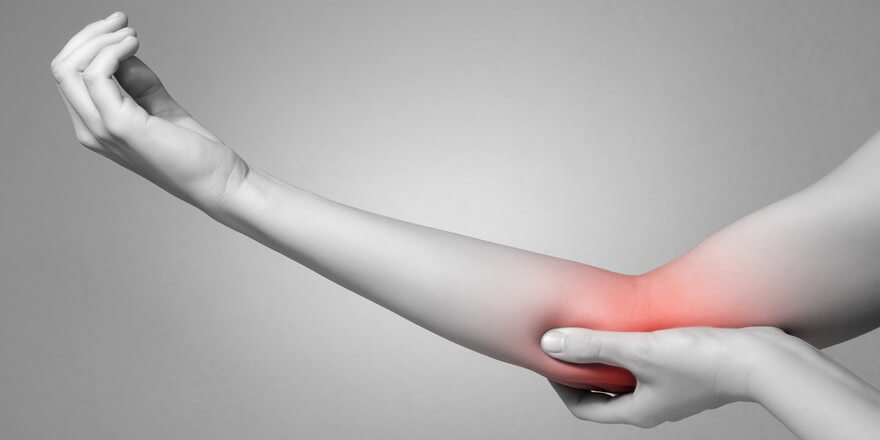
Correcting Pain and Discomfort

Correcting Pain and Discomfort

That Makes You Feel Bad About Yourself
While it is important to recognize that people of all shapes, sizes, and abilities are beautiful, it is crucial to address the issue of chronic pain and how it can impact an individual’s self-esteem. Chronic pain not only causes physical pain but can also lead to feelings of guilt, worthlessness, and an inability to fulfill one’s responsibilities.

Chronic pain and discomfort

Research has shown that individuals with chronic pain often experience additional psychological and emotional distress. They may feel a sense of guilt because they are unable to engage in activities they once enjoyed or believe they are letting others down. Additionally, between 35% and 45% of people with chronic pain also experience symptoms of depression and anxiousness. This constant state of worry and dwelling on the condition can exacerbate pain, inflammation, and muscle tension, perpetuating a vicious cycle.

It is essential for individuals who have chronic pain to understand that they are not at fault or to blame for their condition. Chronic pain and discomfort is a complex issue that requires medical intervention and psychological support. By seeking treatment from healthcare professionals, such as Massage therapy or Physiotherapy. individuals can effectively manage their physical discomfort and learn techniques to cope with their emotions.

What else can you do?

In addition to professional help, individuals can take proactive steps to improve self-esteem and combat the negative impact of chronic pain. Engaging in self-care activities, such as exercise, relaxation techniques, and adequate sleep, can help manage the physical and emotional symptoms of chronic pain. Surrounding oneself with a supportive network of friends and family can also provide invaluable support and encouragement.

Embracing self-compassion and forgiveness can also be beneficial. It is important to remember that chronic pain is no one’s fault and that individuals are not defined by their condition. By forgiving oneself for limitations and practicing self-compassion, individuals can better cope with the challenges of chronic pain.

In conclusion, while it is essential to promote body positivity and acceptance, it is important to recognize that chronic pain and discomfort can have a negative impact on self-esteem. By seeking professional support, engaging in self-care activities, and practicing self-compassion, individuals can navigate the challenges of chronic pain and lead fulfilling lives.