

Understanding Repetitive Strain Injuries and How We Can Help
At Plaza Physiotherapy Clinic, one of the most common types of injuries we see is Repetitive Strain Injury (RSI). These injuries can occur anywhere in the body, and are typically the result of repeated movements or activities that put strain on a particular part of the body. Over time, the tissue becomes irritated, damaged, and painful. Understanding the causes of RSI, as well as how to treat and prevent them, is essential for anyone who performs repetitive tasks, whether at work or during physical activities.
What is Repetitive Strain Injury (RSI)?
Repetitive Strain Injury refers to a group of conditions that occur when a specific area of the body is subjected to repetitive movements or sustained pressure without enough time to rest or recover. When these repetitive stresses accumulate over time, they can lead to tissue damage, inflammation, and discomfort.
Our bodies are generally quite good at tolerating daily use and absorbing regular forces without any long-term harm. However, when stress is applied to a particular body part continuously without proper recovery, the tissues can break down and become irritated. This is when an RSI develops, often leading to pain and discomfort.
Common Types of RSI
RSI can occur in any part of the body, but some of the most common injuries we treat at Plaza Physiotherapy Clinic include:
- Achilles Tendinosis: Often seen in runners or people who engage in repetitive physical activity, this condition involves damage to the Achilles tendon.
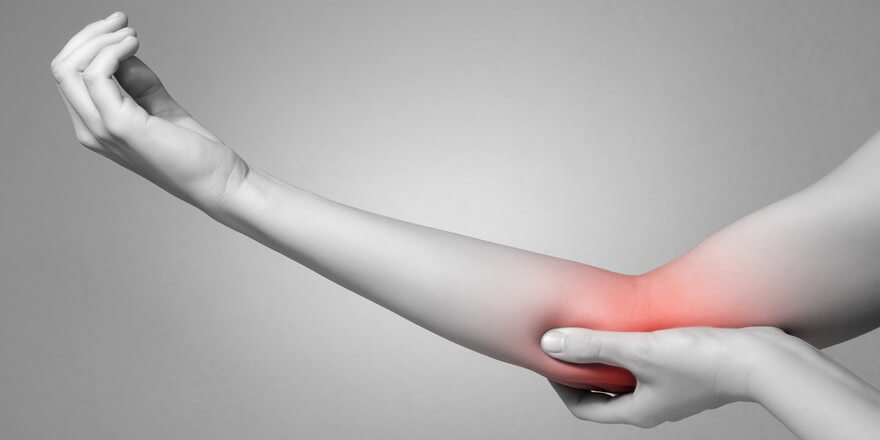
- Tennis Elbow: This type of RSI typically arises from repetitive motions of the forearm, such as those performed during manual work or even sports like tennis.
- Carpal Tunnel Syndrome: Caused by repetitive hand movements, especially from long hours at the computer, this injury can lead to numbness, tingling, or pain in the hand and wrist.
RSIs are typically the result of a combination of factors, such as performing an activity for an extended period without enough time for the body to recover. Tightness or weakness in other body parts, either above or below the affected area, can also contribute to these injuries. For example, an Achilles tendon injury may occur in one foot because of a weakness or stiffness in the hip or lower back, even though both feet are used the same amount.
What Causes RSI?
To effectively treat an RSI, it’s crucial to understand the factors causing the injury. At Plaza Physiotherapy Clinic, our physiotherapists take a holistic approach to assessing your condition. We look at your entire body and movement patterns to determine what’s contributing to the issue.
For example, someone with Carpal Tunnel Syndrome may have poor posture at their workstation, which strains the nerve running from the neck to the hand. In such a case, it’s not just about treating the wrist or hand; we would need to address the neck and upper body to resolve the issue effectively.
Similarly, if someone is experiencing Achilles Tendinosis, tightness in the lower back or hip might be contributing to the issue, which is why we would also treat these areas in addition to the tendon itself.
How Long Does It Take RSI to Heal?
Several factors affect how long it takes to heal from a repetitive strain injury: how long the tissue has been under strain, the severity of the injury, and how effectively you address the underlying causes.
- Muscle injuries typically heal in about 4-8 weeks.
- Tendon injuries can take 8-12 weeks to heal.
- Nerve irritation may take anywhere from 4-12 weeks, depending on the severity.
It’s important to note that even though the tissue itself may heal within this timeframe, if the factors that caused the injury aren’t addressed, the pain can persist or reoccur. Often, Repetitive Strain Injuries take longer to heal if the repetitive stress continues to be applied.
What Can I Do to Resolve My RSI?
There are several practical steps you can take immediately to help resolve an RSI:
- Identify the cause: Try to figure out the activity that’s causing the strain. Whether it’s typing, running, or using a screwdriver, identifying the source is the first step to recovery.
- Improve posture: Look at your posture while performing the activity. For example, if you’re at a desk for long hours, ensure your chair and computer setup are ergonomic and support good posture.
- Reduce the load: If possible, reduce the strain on the affected area. Take breaks, switch sides, or use ergonomic equipment to reduce stress.
- Try targeted exercises: Specific exercises can help alleviate RSI symptoms. You can refer to our injury-specific guides for exercises designed to help with common conditions like tennis elbow, carpal tunnel syndrome, and Achilles tendinosis.
When to Seek Physiotherapy Treatment
If you’ve tried adjusting your activities, posture, and exercises but your RSI persists, it’s time to consult one of our experienced physiotherapists at Plaza Physiotherapy Clinic. We can assess your condition, identify the root causes of the injury, and develop a personalized treatment plan to speed up your recovery. Our physiotherapists can guide you through a combination of manual therapy, stretching, strengthening exercises, and ergonomic advice to help you recover and prevent future injuries.
Let Us Help You Get Back on Track
At Plaza Physiotherapy Clinic, our team helps you move pain-free and get back to doing what you love. If you’re struggling with an Repetitive Strain Injury, don’t wait. Book an appointment with one of our skilled physiotherapists today and let us guide you on the path to recovery.
We understand how frustrating repetitive strain injuries can be, but with the right treatment plan, you can overcome them and enjoy a full recovery. Contact Plaza Physiotherapy Clinic today to book your appointment and take the first step towards healing.
Remember, the sooner you address an RSI, the sooner you can get back to living pain-free!
No Comments