
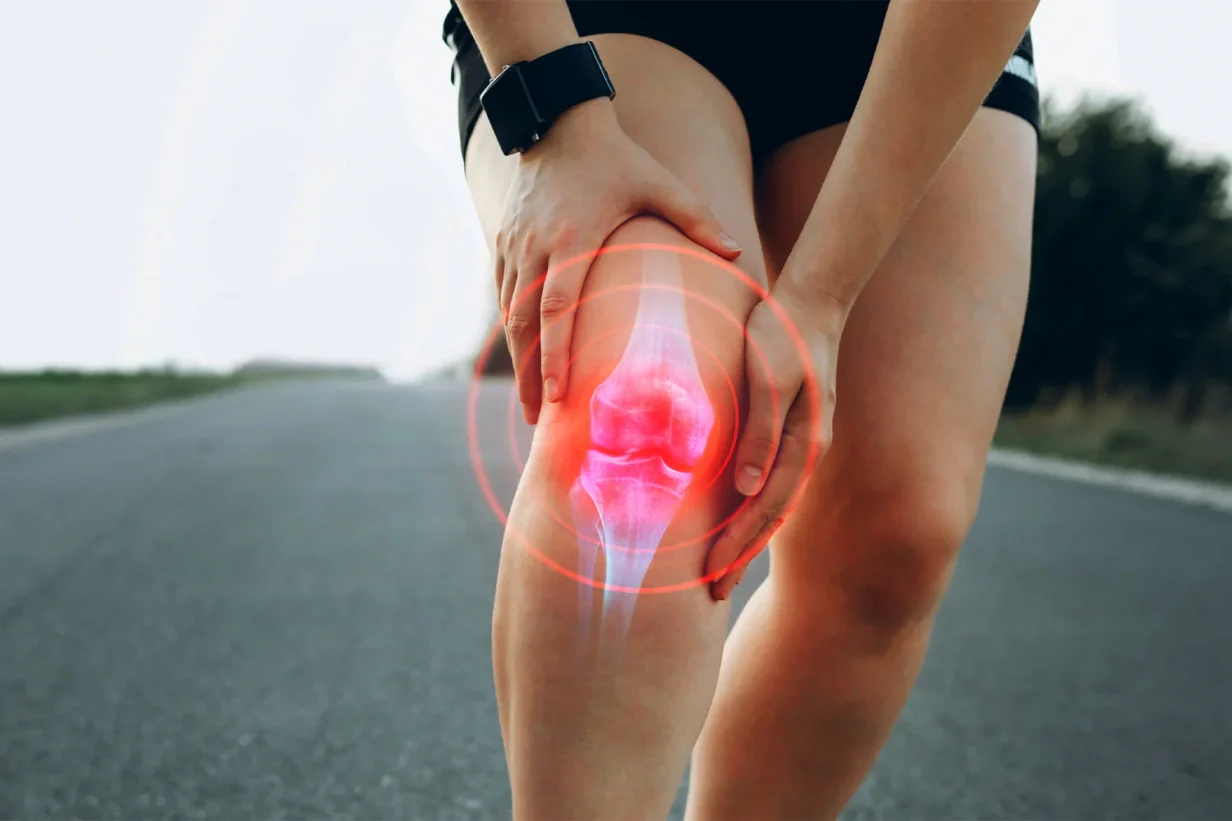
Runner’s Knee Recovery Time
At Plaza Physiotherapy Clinic, we frequently treat runners and active individuals who suffer from runner’s knee, also known as patellofemoral pain syndrome. This common condition can range from mild discomfort to debilitating pain, significantly affecting your ability to run, walk, or engage in other activities. The good news is that with the right treatment, including physiotherapy and advanced techniques like dry needling, you can speed up your recovery time and achieve better long-term outcomes.
What is Runners Knee?
Runners knee refers to pain around or behind the kneecap, often triggered by factors such as:
- Overuse or repetitive strain
- Muscle imbalances or weaknesses
- Poor biomechanics, such as misaligned kneecaps
- Tightness in muscles like the quads, hamstrings, or IT band
The condition tends to worsen during activities such as running, squatting, or climbing stairs. Without proper treatment, runner’s knee can persist for weeks or even months, delaying your return to physical activity. That’s where Plaza Physiotherapy Clinic comes in—we provide targeted treatments designed to address the root causes of your pain and get you back to your routine faster.
How Long Does It Take to Recover from Runner’s Knee?
The recovery time for runner’s knee varies depending on the severity of the condition, your activity level, and how quickly you seek treatment. For mild cases, recovery may take just a few weeks with rest and self-care. However, more severe cases could take several months to heal fully.
The key to speeding up recovery is addressing the underlying causes of your knee pain and restoring proper movement patterns. This is where physiotherapy plays a crucial role.
How Physiotherapy Speeds Up Runners Knee Recovery Time
Physiotherapy offers a comprehensive approach to treating runner’s knee. At Plaza Physiotherapy Clinic, we not only aim to relieve your pain but also correct the root causes of your knee discomfort. Here’s how physiotherapy helps:
1. Accurate Diagnosis
A physiotherapist will assess your movement patterns, muscle imbalances, and biomechanics to identify the cause of your knee pain. This ensures that your treatment plan is tailored to your specific needs.
2. Strengthening Weak Muscles
Weakness in muscles like the glutes, quads, or core can lead to improper knee tracking, worsening your pain. Targeted strengthening exercises help restore balance and prevent further injury.
3. Improving Flexibility and Mobility
Tight muscles around the knee can increase stress on the joint. Techniques like stretching, manual therapy, and dry needling improve flexibility, which reduces strain and helps relieve pain.
4. Correcting Biomechanics
A physiotherapist can analyze your running form and overall movement habits to guide you in making adjustments that reduce stress on your knee. This may include suggestions for improved posture or gait.
5. Dry Needling for Runners Knee
Dry needling is an effective technique to address muscular tightness and trigger points contributing to knee pain. By releasing tension in key areas like the glutes, quads, IT band, or hamstrings, dry needling can:
- Alleviate pain
- Improve range of motion
- Speed up healing by increasing blood flow
Many patients experience significant relief after just a few sessions of dry needling as part of their overall treatment plan.
6. Taping and Bracing
Kinesiology taping or bracing may be used to provide additional support and promote proper alignment during your recovery. These techniques can help manage pain and enhance your rehabilitation.
Benefits of Physiotherapy for Knee Pain Treatment
Physiotherapy doesn’t just help you recover quickly—it also sets you up for long-term success. By addressing the root causes of your runner’s knee, you’ll be able to reduce the likelihood of recurrence and return to your sport or physical activities with greater confidence and strength.
Tips to Support Your Runners Knee Recovery
In addition to physiotherapy, there are a few strategies you can use to support your recovery:
- Rest and Modify Activity: Avoid activities that worsen your pain, but stay active with low-impact exercises like swimming or cycling.
- Apply Ice: Ice your knee for 10–15 minutes after activity to reduce inflammation.
- Use Proper Footwear: Invest in supportive shoes to correct imbalances and absorb shock. If you need help finding the right footwear, ask us about custom Phits orthotics—these world-leading insoles have been shown to effectively reduce pain associated with runner’s knee.
When to Seek Treatment for Runner’s Knee
If your knee pain persists despite rest or begins to interfere with your daily activities, it’s time to consult a physiotherapist. Early intervention can prevent your condition from worsening and reduce your overall recovery time.
Get Back to Running with Expert Knee Pain Treatment at Plaza Physiotherapy Clinic
As physiotherapists specializing in knee pain treatment, we’ve helped countless patients recover from runner’s knee and return to the activities they love. Whether through strengthening exercises, manual therapy, or advanced techniques like dry needling, we’ll create a personalized treatment plan to get you back on track.
Don’t let runners knee sideline you any longer than necessary. Contact Plaza Physiotherapy Clinic today to book a consultation and take the first step toward pain-free running. Visit our website at www.plazaphysio.com to learn more and schedule your appointment.
Get ready to run with confidence again!